A traditional Chinese mind–body practice that combines slow, graceful movement with deep breathing, focus and meditation. Often called meditation in motion.
Origins
An internal martial art
Rooted hundreds of years in China, Tai Chi emphasizes relaxation, balance and the flow of vital energy, or Qi. Developed for self-defense, it evolved into a tool for health and longevity.
Philosophy
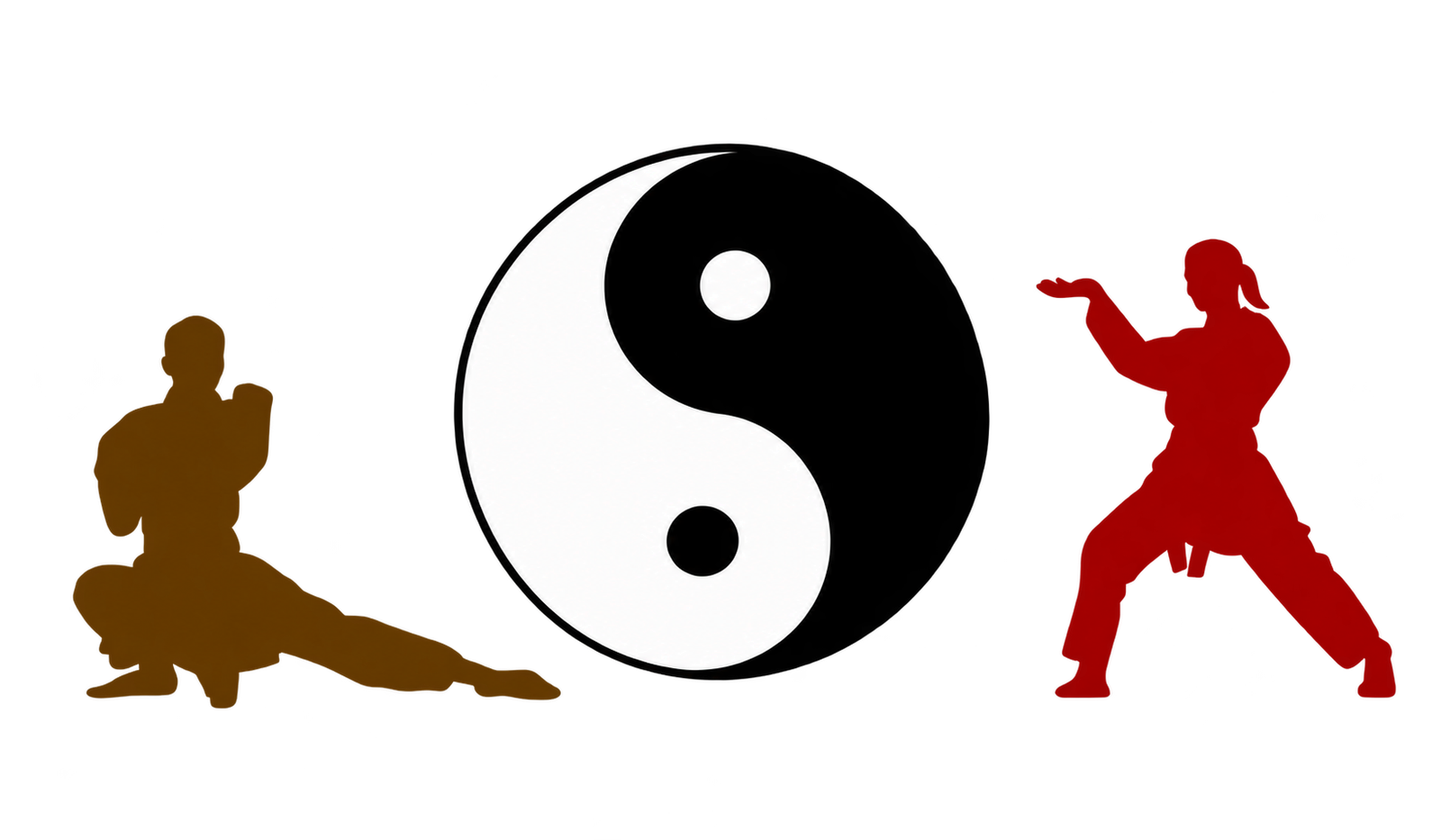
Yin and Yang
The harmony of opposites — soft and hard, movement and stillness. Practice teaches us to move with the natural flow of life instead of resisting it.
Yang style
What Yifan teaches
The most widely practiced style worldwide. Large, open, continuous movements — graceful to watch, friendly to learn, excellent for health.
Four major styles, each named for the family that founded it
Tai Chi Chuan lineages
Chen
Chen Wangting · 1580–1660
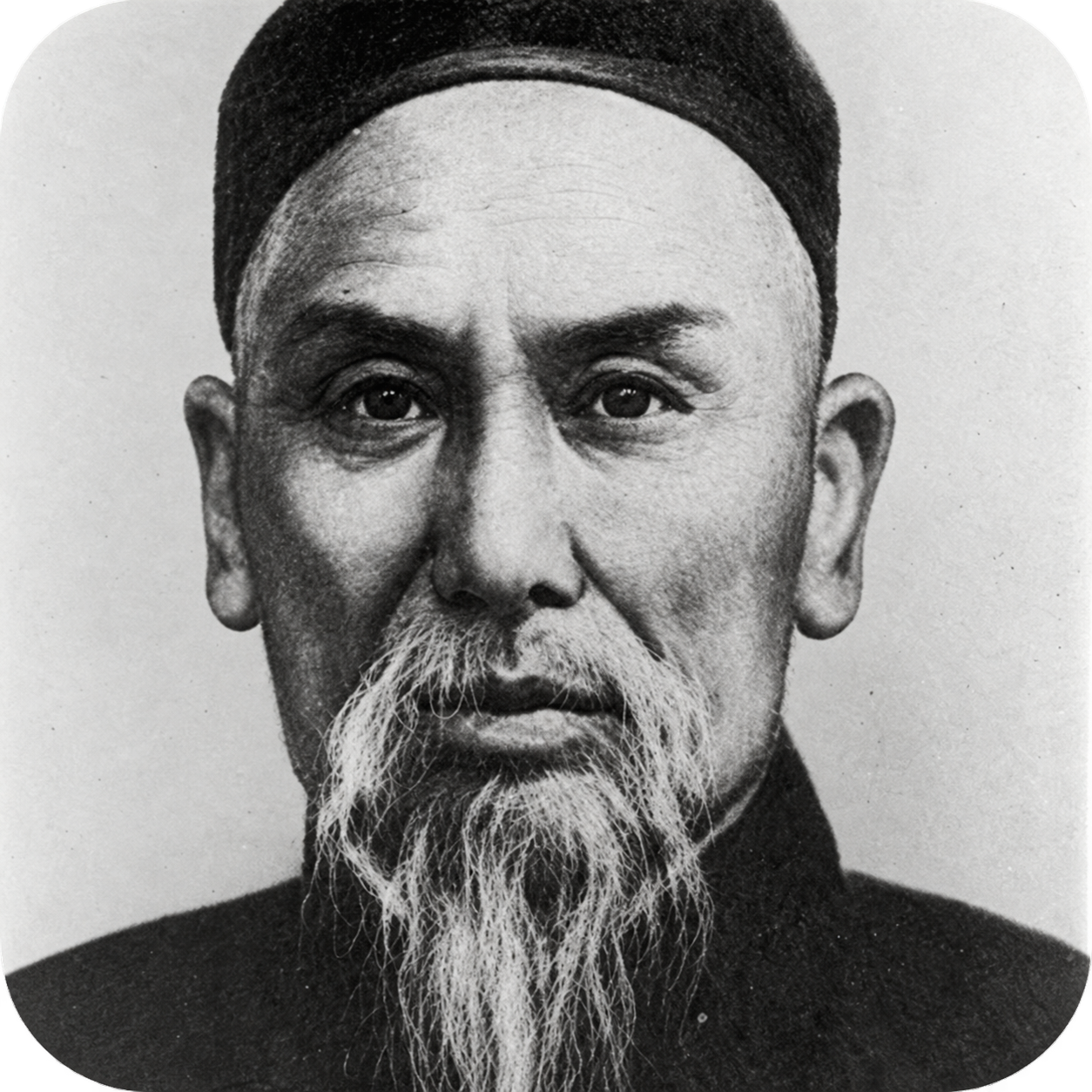
Yang
Taught here
Yang Lu-ch’an · 1799–1872
Wu
Wu Yu-hsiang · 1812–1880
Sun
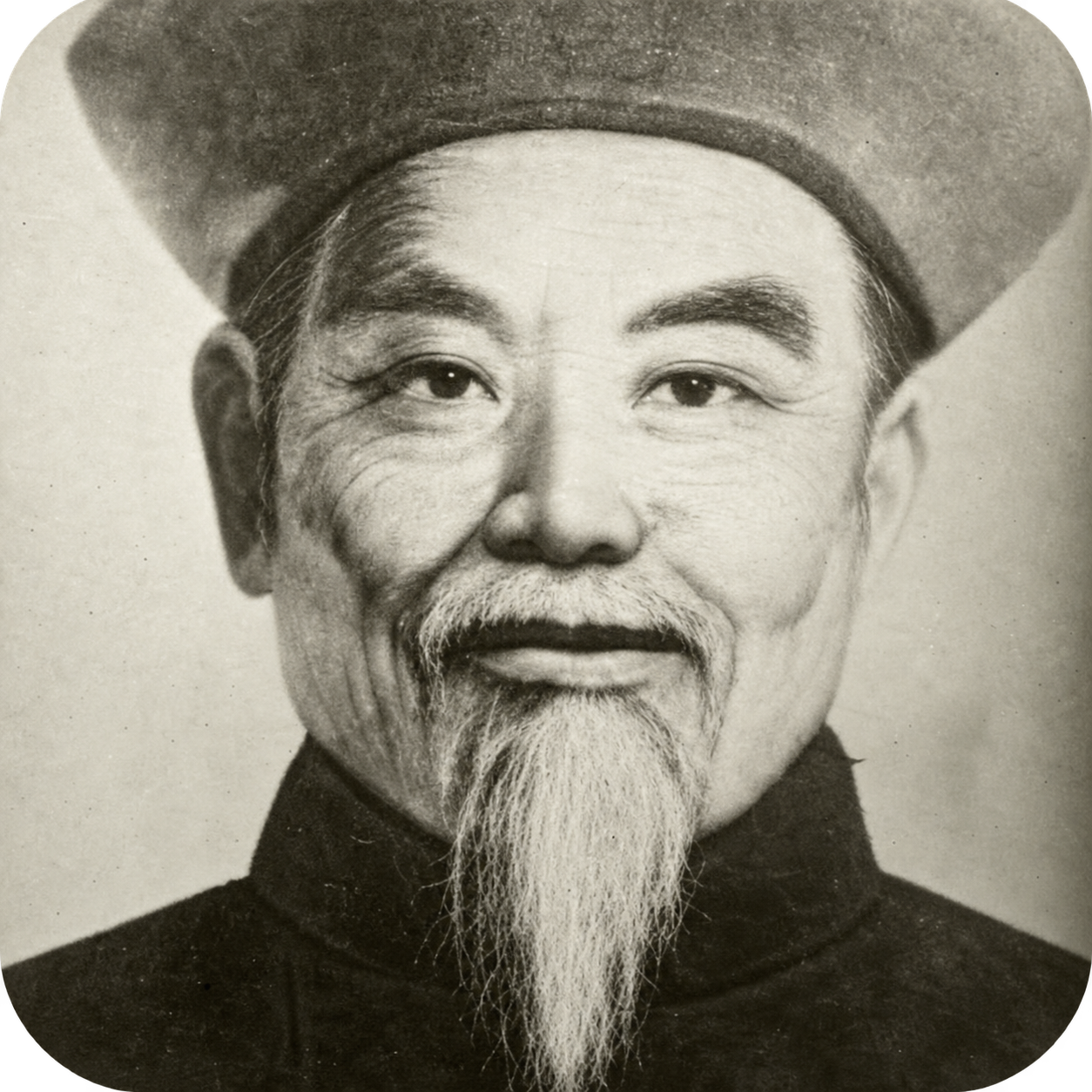
Sun Lu-t’ang · 1861–1932
The legend
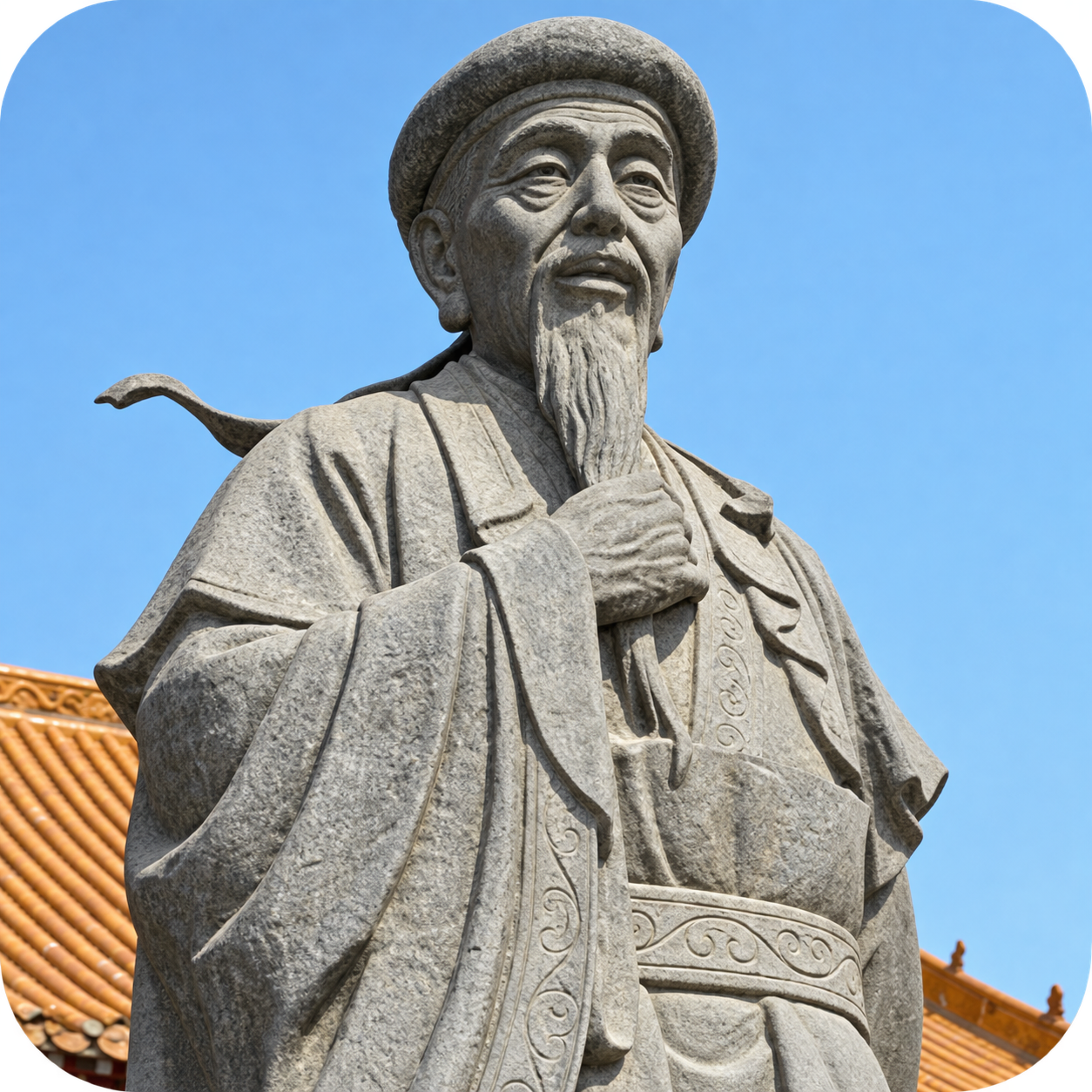
Zhang San Feng, in the 13th century, watched a snake hold still and alert against a crane’s onslaught — until the perfect moment. Inspired, he created 72 movements.
Taoist and Confucian thought form tai chi’s conceptual background, along with Taoist teachings on qi and the three dantian. It is an “internal” (neijia) art, part of the Wudang family.
When two equal forces push, neither moves. So tai chi never meets hardness with hardness — it uses sensitivity, yielding and deflection, redirecting an opponent’s power rather than opposing it.
Core principles
Simple-looking movements, profound practice
No experience, equipment or fitness level required. You’ll start with basic postures and breathing, building toward longer forms over time.
01
Relaxation — releasing tension in body and mind
02
Slow, continuous movement
03
Proper alignment and posture
04
Deep, coordinated breathing
05
Present-moment focus
06
Rooting and grounding
Your first class is closer than you think.
Take the first step toward better balance, less stress and deeper calm. Beginners always welcome.